
This article was originally written in Traditional Chinese. The English version was translated automatically by AI. Read the original.
A close look at BCCT's new 2025 climbing team building program. From progressive trust and stress regulation to team collaboration, it turns challenge into growth teams can bring back to work.
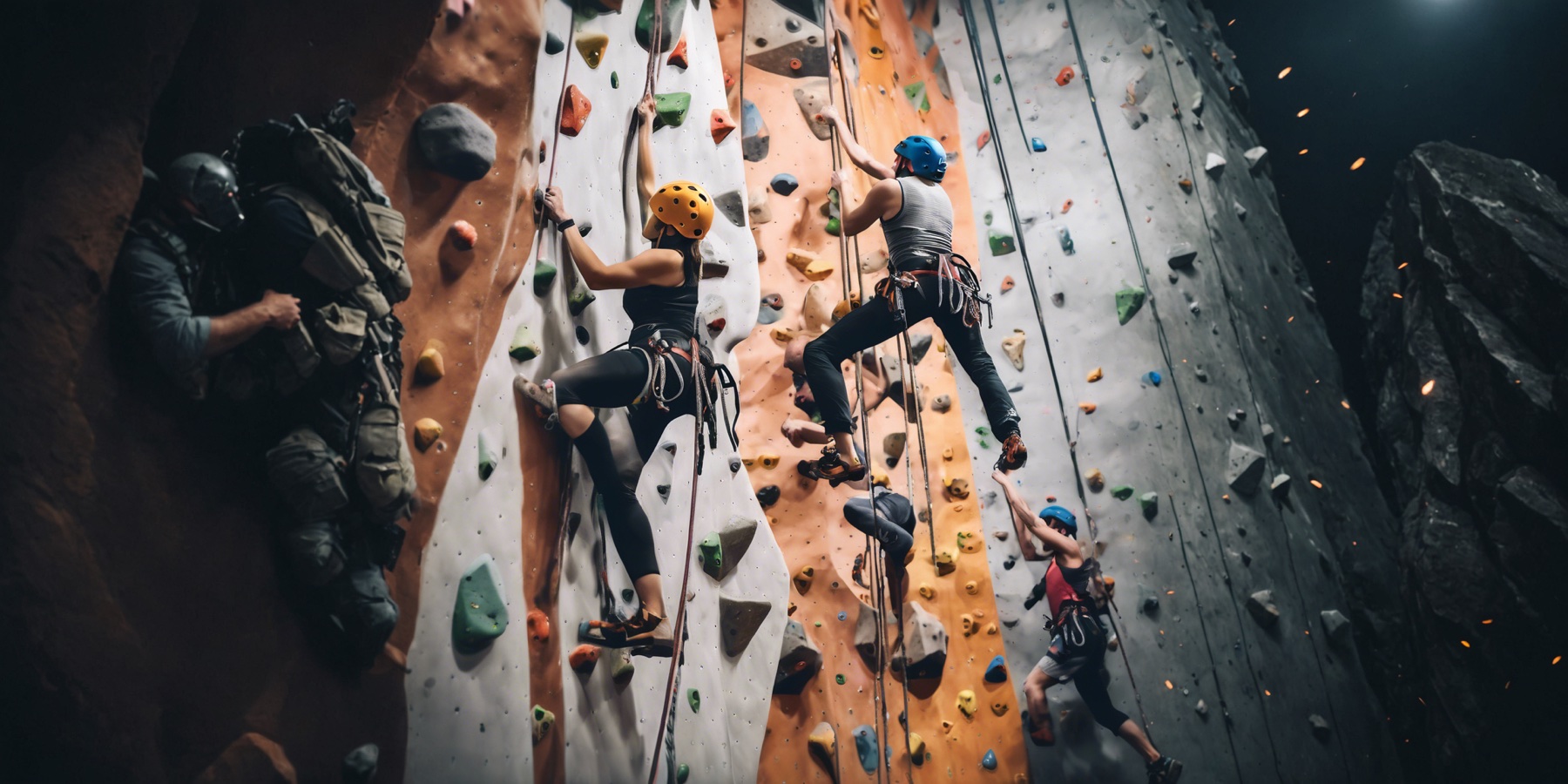
Inside BCCT's newly launched 2025 program, "Going Up! Climbing Team Building"
Why climbing?
Climbing is more than a sport. It is a natural system for regulating behavior and mindset. Height is something humans instinctively fear, and that fear puts team members into an ideal state of focus and cooperation at the same time. Climbing affects participants physically, psychologically and socially, creating a team atmosphere unlike any other. Below, we take a closer look at each stage of BCCT's "Going Up! Climbing Team Building" and break down the core models behind it.
Building trust step by step
We designed the climbing experience around a trust-building process that unfolds in stages. It starts with simple belay practice on the ground, so team members can get comfortable with the basic moves and ways of communicating. From there, the difficulty gradually increases to more challenging tasks. The goal isn't speed. It's to help every member accurately gauge their own abilities and their partners', laying a solid foundation of trust.
Most importantly, the activity puts "managing progress" ahead of "chasing speed." Each team plans its route and keeps communicating and adjusting along the way. This ability to manage progress precisely is an essential project management skill in the workplace.
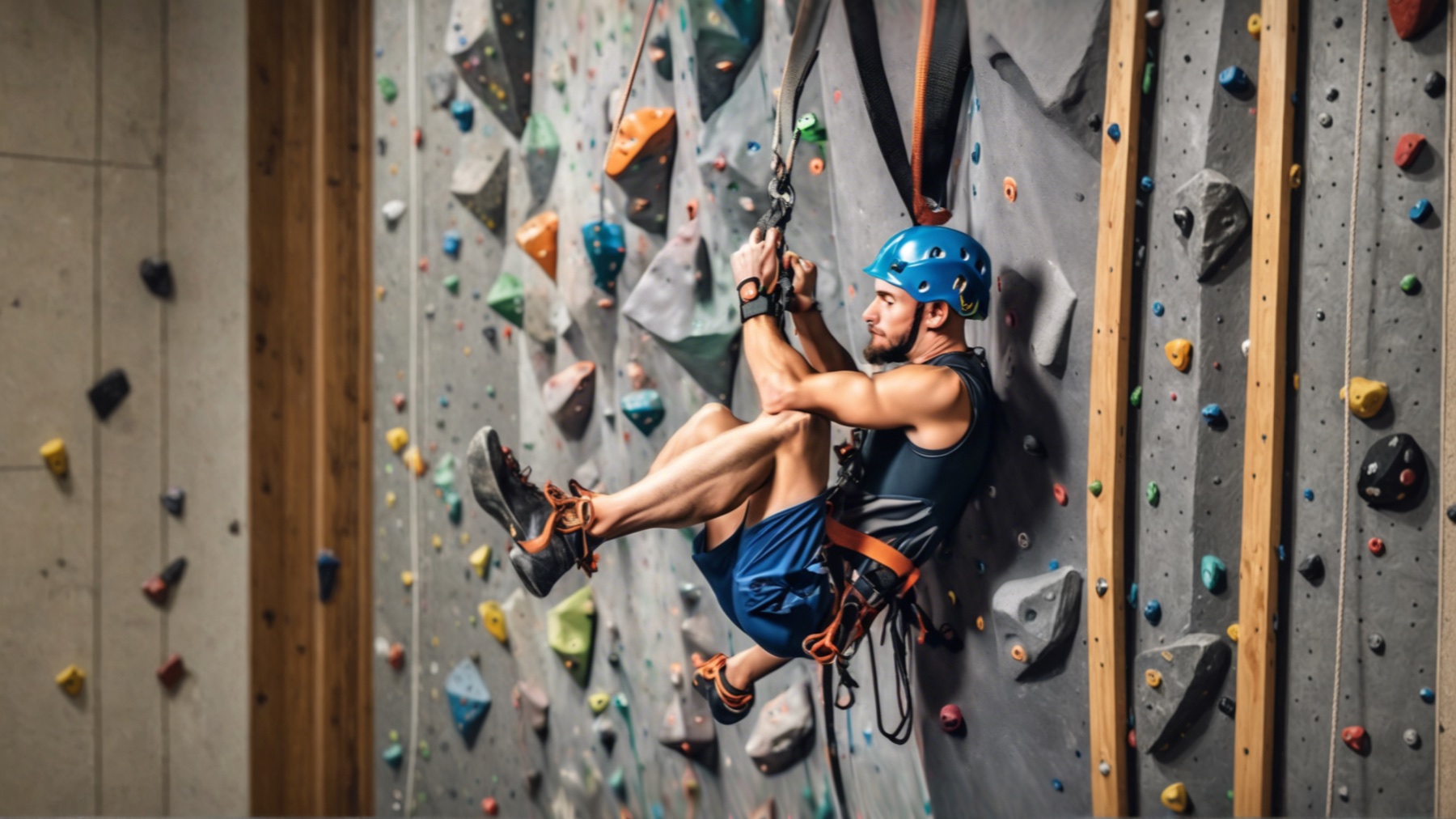
Fear is a double-edged sword for trust and cohesion
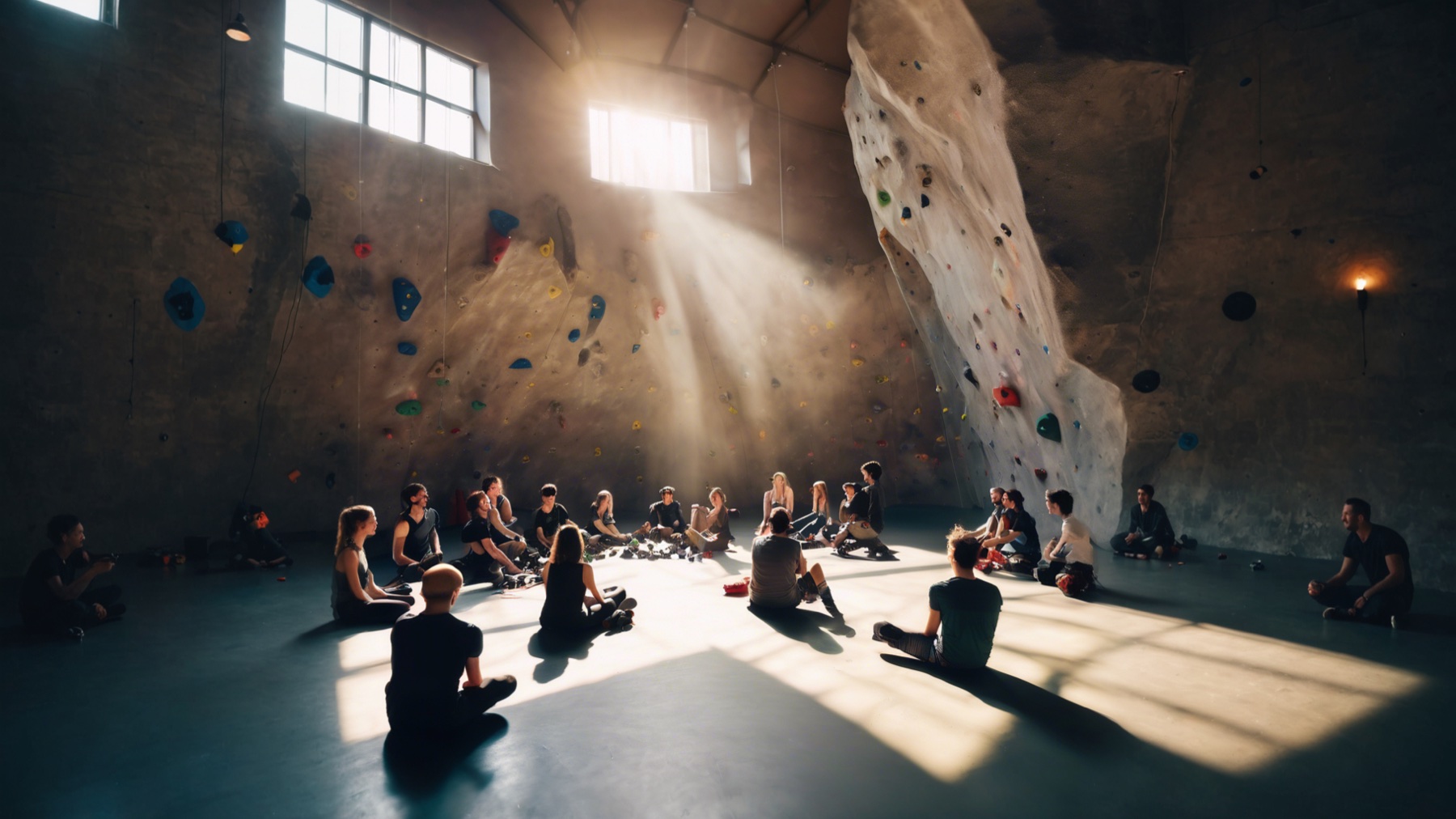
Conversations after the activity help people understand each other more deeply
Psychological breakthroughs and growth
When climbing, participants often have to face the fear that comes with height. This fear isn't just an emotional reaction; it's a valuable learning opportunity. As team members learn to control and regulate it, they are also building the mental resilience to handle challenges at work.
Arousal regulation is a key concept here. Too little arousal leaves you unmotivated; too much makes you reckless. Learning to stay at your best under pressure is an essential skill for today's professionals.
A real-world arena for teamwork
The belay system in climbing perfectly illustrates why trust matters. When someone is climbing high up, they must trust the belayer on the ground completely. This trust isn't just talk; it rests on concrete actions and professional skill.
Even more important, every role on the climbing wall matters equally. Whether climbing, belaying, or watching from the side and offering suggestions, every team member is helping build a safe and effective environment for working together.
Insights from neuroscience
From a neuroscience perspective, climbing effectively activates multiple areas of the brain. Activation of the prefrontal cortex supports decision-making and problem-solving; the release of adrenaline helps people stay focused; and the fear response driven by the amygdala, with the right guidance, becomes another source of strength. These experiences are recorded by the brain and body and become reference patterns for facing other challenges.
What makes BCCT's "Going Up!" stand out
- Built on the BCCT Experience Engine, turning psychology and neuroscience into hands-on experiences.
- Small groups of 30 or fewer, so every participant gets a full experience.
- Professional coaches, flexible climbing difficulty, and ample time for reflection and discussion.
- Progressive challenges that build deep trust and develop a project mindset for managing progress precisely.
BCCT's long-awaited climbing team building program officially launches
BCCT's climbing team building is more than an activity. It's an opportunity for transformation. Through a carefully designed climbing experience, teams push past their personal limits while forging closer working relationships, giving the organization lasting momentum to keep moving upward.